
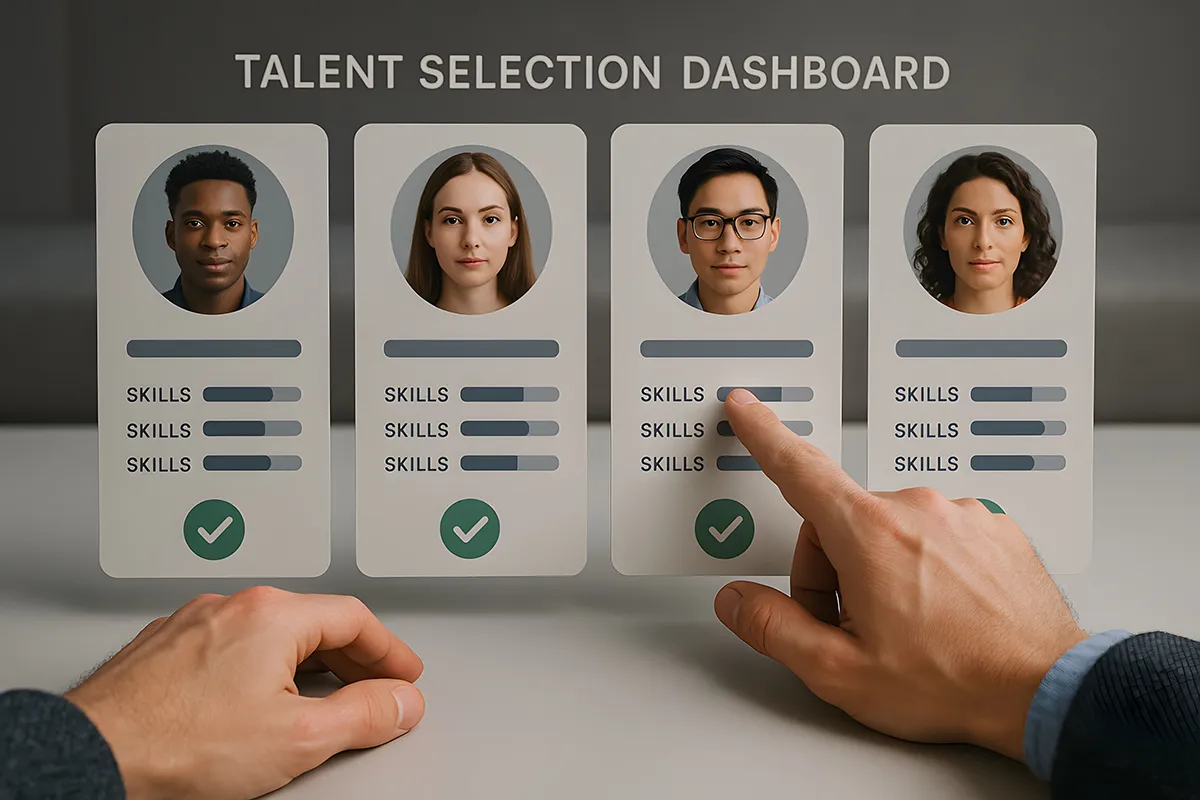
Employers face constant pressure to hire quickly, retain qualified staff, and maintain safe workplaces. In this environment, some decision-makers question whether employment screening is still necessary or whether it slows down the hiring process. The assumption is that skipping background checks or verification steps can help expedite hiring and reduce costs. In reality, the opposite is true. Employment screening remains one of the most effective ways to protect an organization from risk, ensure compliance with the law, and build a reliable workforce.
Employment screening is not a relic of outdated hiring practices. It is a compliance-driven process that protects companies against negligent hiring claims, supports workplace safety, and reinforces trust in organizational decision-making. Employers who skip or reduce screening may believe they are gaining speed, but they are introducing legal, financial, and reputational risks that can undermine long-term business stability. The question should not be whether employment screening is still relevant, but how employers can perform it consistently, compliantly, and effectively.
Employment Screening Risks When Employers Skip The Process
Employers cite a range of reasons for avoiding full employment screening. Some are related to cost, others to speed, and others to pressure in high-turnover industries. While these pressures are real, the risks of skipping the process are significant and often outweigh the short-term convenience of bypassing checks. Below are the most common justifications employers use to avoid screening, along with the dangers associated with each.
Criminal Records Go Undisclosed
One of the most serious risks of skipping employment screening is the potential for undisclosed criminal history. Interviews and resumes provide no reliable way to identify prior convictions. Without structured background checks, employers may hire individuals with records that present direct threats to workplace safety, customer trust, and company liability. Industries such as healthcare, transportation, and education face exceptionally high stakes, but the risk applies across all sectors. A single negligent hire can lead to legal claims of negligent retention if harm occurs after the employer fails to conduct due diligence. Comprehensive criminal background checks reduce this exposure and provide a defensible hiring record.
Resume Fraud And Credential Lies
Employers sometimes assume that resumes and references are sufficient to confirm applicant credentials. The data shows otherwise. Studies have found that most applicants tend to embellish or misrepresent details about their education or employment history. Artificial intelligence has also made it easier to generate fraudulent resumes and online profiles. These discrepancies often go unnoticed without verification services, resulting in the hiring of unqualified individuals for sensitive positions. For example, a falsified degree in a healthcare or technical role could expose an organization to safety issues, compliance failures, and reputational harm. Verification is not optional; it is essential to ensuring that applicants meet the minimum job requirements.
Substance Abuse Remains Hidden
Substance abuse continues to affect American workplaces at significant rates. Quest Diagnostics reported that U.S. workforce drug positivity remained above 4% in 2025, with amphetamine use on the rise. Employers in safety-sensitive roles cannot afford to take chances when it comes to substance abuse. Skipping drug screening may feel like a way to expand the candidate pool, but it introduces serious risks of accidents, liability, and workplace disruption. While some employers choose to adapt policies around cannabis where state law permits, comprehensive screening remains necessary for safety, compliance, and insurance requirements.
Online Behavior Raises Reputational Concerns
Employers are increasingly judged not only on what happens inside the workplace but also on the behavior of employees online. Harassment, threats, or discriminatory content posted by staff members can quickly escalate into public relations crises. Social media screening allows employers to identify these risks during the hiring process while maintaining compliance with FCRA requirements. This form of screening is not about personal opinions; it is about protecting workplace safety, preventing harassment, and ensuring that hires align with the company's values. Ignoring this step leaves organizations vulnerable to preventable reputational damage.
Each of these risks underscores that the potential consequences outweigh the reasons employers have for skipping employment screening. While it may seem like saving time or money, these shortcuts can lead to far greater exposure in the future. CIC addresses these issues directly in The Cost of Shortcuts in Employment Screening.
Employment Screening And Compliance Obligations
Compliance is one of the most critical reasons employment screening remains essential. Background checks and related services are not just best practices—they are regulated activities with specific requirements under federal and state law. Employers that fail to comply face lawsuits, fines, and reputational harm that often exceed the cost of proper screening.
Disclosure And Authorization
The Fair Credit Reporting Act requires employers to provide applicants with a clear and standalone disclosure before ordering a background report. This disclosure must not be combined with other application forms or hidden in fine print. Employers must also obtain written authorization from the applicant. Failing to follow this step is one of the most common causes of FCRA litigation.
Permissible Purpose
Background checks may only be used for permissible purposes such as hiring, promotion, or retention decisions. Reports cannot be used for unrelated purposes. This requirement underscores that employment screening is part of a structured hiring process, not a tool for casual inquiries.
Adverse Action Process
When information in a background report leads to an adverse hiring decision, employers must follow a two-step process known as adverse action. First, they must provide a pre-adverse action notice, along with a copy of the report and a description of the applicant's rights under the FCRA. This gives the individual a chance to dispute or clarify the information. Second, if the employer proceeds with a negative decision, they must send a final adverse action notice. Skipping or mishandling this process creates immediate liability. Learn more about CIC’s adverse action process support.
Expanding State And Local Requirements
Many states and cities add their own rules to the federal framework. Ban-the-box laws limit when employers can ask about criminal history. Cannabis legalization has created new challenges for drug testing policies. Employers must adapt to these changes while maintaining consistency across their hiring programs.
Employment screening is a compliance-driven process that requires attention to detail, accurate record-keeping, and ongoing monitoring of legal developments. Employers who treat compliance as secondary risk costly penalties and long-term damage to their reputation.
Employment Screening Challenges In Different Industries
Employment screening applies to every industry, but the risks and requirements vary. Different sectors face unique pressures that make thorough screening essential.
Transportation And Logistics
Employers in transportation and logistics must comply with Department of Transportation regulations and monitor commercial driver license records. Motor vehicle reports identify accident histories, suspensions, and driving offenses that may disqualify a candidate. Failing to perform these checks increases the risk of accidents, liability, and regulatory penalties. Employment screening is a non-negotiable safeguard in a sector where one poor hiring decision can put lives at risk.
Healthcare And Education
Healthcare providers and educational institutions are held to the highest level of trust. Staff members interact with patients, students, and vulnerable populations daily. Background checks and credential verification confirm qualifications and help prevent abuse or negligence. A falsified degree or undisclosed criminal record can create severe harm in these environments. Screening is essential not only for compliance but also for protecting communities and maintaining public confidence.
Retail And Hospitality
Retail and hospitality employers often face high turnover and large applicant pools. The pressure to hire quickly usually tempts managers to skip screening steps. Doing so introduces risks of theft, misconduct, and potential harm to customers. Background checks and drug screening help prevent incidents that can erode brand reputation and customer trust. Even in fast-paced environments, employment screening helps stabilize the workforce.
Technology And Remote Hiring
Technology companies and remote work arrangements create new risks. Candidates may misrepresent credentials, use falsified identities, or exaggerate experience. Remote hiring makes it more difficult to verify details without structured checks. Employment screening, including verification and social media screening, protects employers from fraudulent applications and ensures qualified individuals fill critical roles.
Manufacturing And Construction
Workers in manufacturing and construction operate equipment, handle sensitive materials, and perform tasks where safety is of paramount importance. A single impaired or unqualified employee can cause accidents with serious consequences. Drug screening and background checks help reduce these risks and enable employers to demonstrate compliance with safety standards. In industries where margins are tight, preventing costly incidents is a direct benefit of consistent screening.
Employment Screening Final Thoughts
Employment screening is not an obstacle to hiring—it is a safeguard that protects organizations from risk, ensures compliance, and reinforces workplace safety. Employers who treat screening as optional often face higher costs, greater liability, and reputational damage. Employment screening remains one of the most critical steps in the hiring process.
CIC partners with employers to deliver compliant, accurate, and human-reviewed results. From background checks and verifications to drug testing, social media screening, and rechecks, CIC provides the tools and expertise to make confident hiring decisions.
Contact CIC today to discuss employment screening solutions that support your organization.